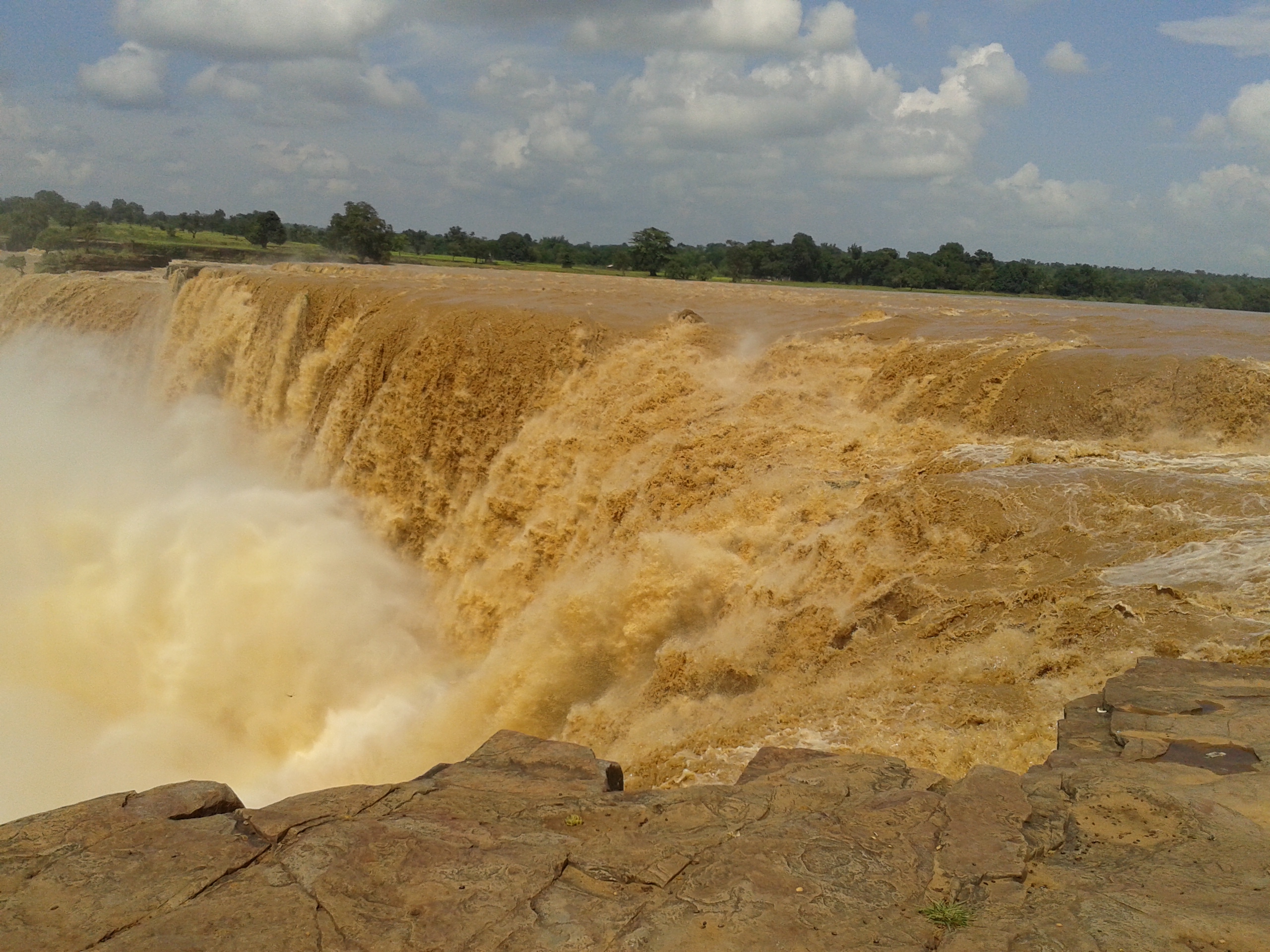
Chhattisgarh — Waterfalls, Forests, and the Living Tribal Heartland
Chhattisgarh is India's most forested large state — a vast green interior where ancient Gond, Baiga, and Muria tribes maintain living traditions, and rivers plunge over spectacular waterfalls before threading through tiger reserves and rock-art sites of extraordinary antiquity.
Overview
Created in 2000 from the southeastern portion of Madhya Pradesh, Chhattisgarh covers more than 44 per cent of its area in forest — the highest forest cover of any large Indian state. The Mahanadi river originates here, and its tributaries create a web of waterfalls across the Bastar plateau in the south. The state is home to 42 scheduled tribal groups, and their weekly markets (haats) in Bastar district are windows into a world that has changed remarkably little over centuries.
Top Places to Visit
- Chitrakote Waterfall: Often called the "Niagara of India," this 300-metre-wide horseshoe falls on the Indravati river is India's broadest waterfall, most dramatic in monsoon but beautiful year-round.
- Bastar (Jagdalpur): The tribal heartland of Chhattisgarh, where the Sunday Tribal Market draws Muria, Gond, and Dhurwa people to trade forest produce, jewellery, and hand-woven textiles.
- Kanger Valley National Park: India's densest biosphere in terms of cave count — the Kotumsar and Dandak caves are among the world's longest natural limestone caves. Rare blind fish inhabit underground streams here.
- Tirathgarh Falls: A multi-tiered milky waterfall inside Kanger Valley National Park, set among dense forest.
- Barnawapara Wildlife Sanctuary: A compact forested reserve near Raipur with a healthy population of leopards, chital, sloth bears, and over 150 bird species.
- Champaran: A pilgrimage town associated with Sant Vallabhacharya, and the site of a centuries-old temple fair drawing devotees from across central India.
Culture and Heritage
The Bastar Dussehra is one of India's longest festivals — spanning 75 days — and has nothing to do with the Ramayana-themed Dussehra celebrated elsewhere. It is a tribal ceremony centred on the goddess Danteshwari and involves the participation of the Gond raja and local priests in ways that predate Hinduism as we know it. The Ghotul system among the Muria tribe — a communal youth dormitory — is a unique social institution studied by anthropologists worldwide.
Cuisine
Chhattisgarhi food is earthy and forest-derived. Chila (rice crepe), Fara (steamed rice dumplings), Bafauri (spiced gram flour steamed balls), and Mahua Ladoo (sweet made from mahua flower) are characteristic dishes. Mahua liquor, distilled from the mahua tree flower, is central to tribal celebrations.
Best Time to Visit
October to March for wildlife, waterfalls, and cultural events. Bastar Dussehra (September–October) is the single most spectacular time to visit the region.
How to Reach
Swami Vivekananda Airport in Raipur has flights from Delhi, Mumbai, Kolkata, and Hyderabad. For Bastar (Jagdalpur), take a connecting flight or an overnight train from Raipur.
Travel Tips
- A local guide is essential in Bastar — the tribal market etiquette requires sensitivity.
- Photography at tribal gatherings requires permission; always ask first.
- Roads in forest areas can be rough; a 4WD vehicle is advisable for remote sites.
Have a better photo of Chhattisgarh — Waterfalls, Forests, and the Living Tribal Heartland?
Upload your own photograph. If we approve it, you earn between 1 and 10 paise. Every photo is checked by our team before it appears.
Share this
Comments
Stay in Chhattisgarh
We do not list a stay in Chhattisgarh yet. Tell us your dates and we will find you one.
Plan it for meNext in the journal
Chhattisgarh
Raipur — The Rice Bowl Capital
Capitals · Chhattisgarh's capital grew from a rice-trade town into a steel-and-power hub, with the new city of Naya Raip...
Chhattisgarh
Dandakaranya — Ten Years in the Great Forest
Ramayana · The Dandak forest — stretching across today's Chhattisgarh, Maharashtra and Odisha borderlands — hosted the l...
Chhattisgarh
The Living Culture of Chhattisgarh: Food, Dress, Weddings & People
Original K2K guide to Chhattisgarh — traditional food with a home recipe, historic and modern dress, wedding rituals, an...